Energy Storage Systems
Important information about energy storage solutions
As of March 2026, Enefit has discontinued the sale, design, and installation of energy storage systems (batteries) for new customers. We are no longer accepting new orders for this service.
For all existing customers with already installed energy storage equipment, warranty support, maintenance, and other services will continue to be provided in accordance with the terms of existing agreements.

Energy storage: what is it and how does it work?
Energy storage is the process of storing electricity in batteries and using it later when it is most needed. Most commonly, lithium-ion batteries are used, as they efficiently store energy generated both from the grid and from renewable sources such as solar power.
An energy storage system typically consists of:
- batteries (for energy storage)
- an inverter (for energy conversion)
- a control system (for optimization and automation)
Such systems can automatically:
- store energy when prices are lower
- use it when prices are higher
- help balance energy consumption
When should businesses consider energy storage?
Energy storage is most relevant when:
- electricity prices fluctuate significantly
- energy consumption is high and uneven
- solar or other renewable energy sources are used
- supply reliability is critical
For businesses, it can be beneficial when:
- aiming to reduce electricity costs
- seeking protection from price spikes
- requiring backup power
- planning to participate in energy markets
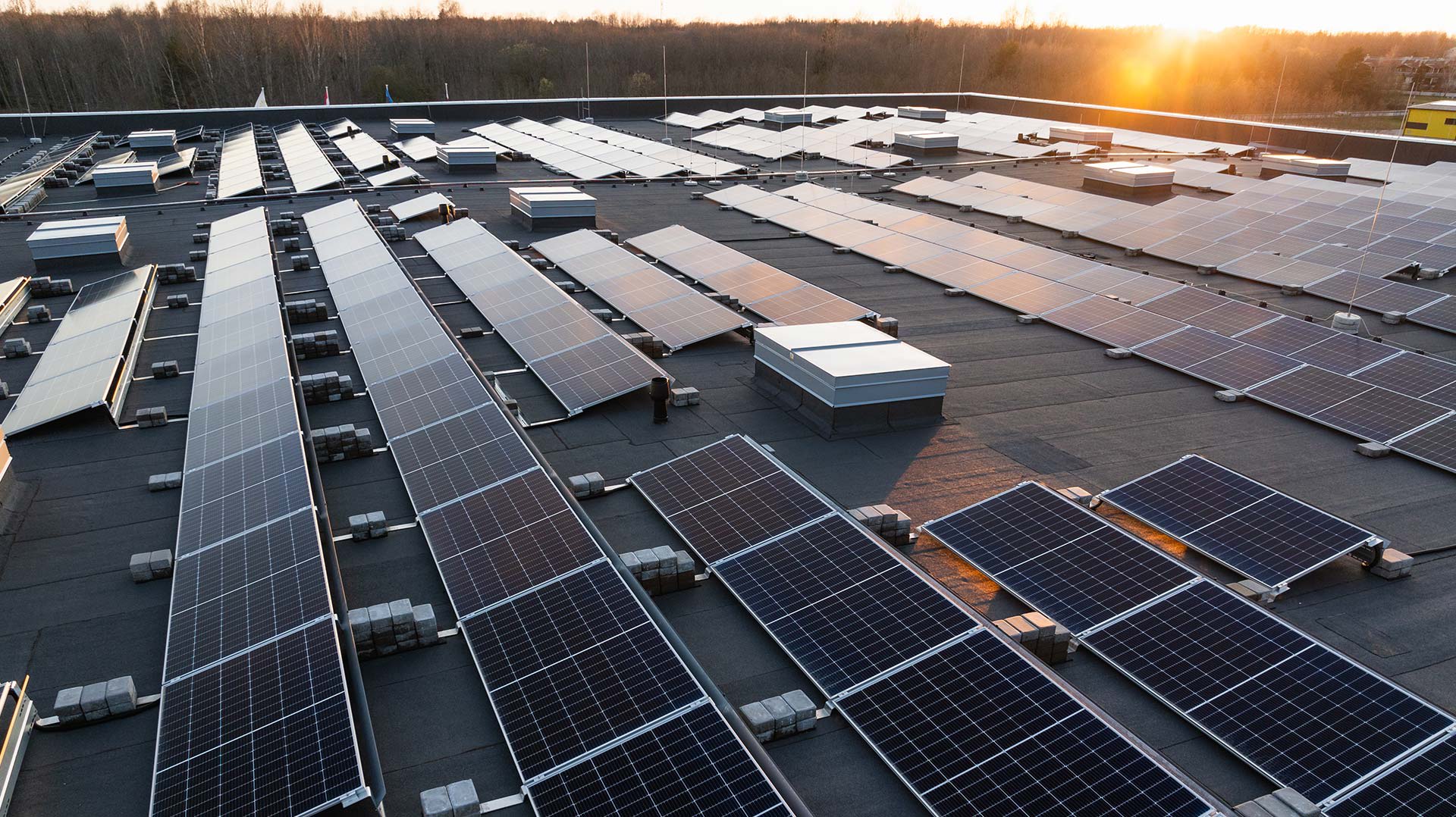
Energy storage combined with solar power systems
One of the most effective uses of energy storage is integration with solar power systems.
In this case:
- excess energy generated during the day is stored
- it is used in the evening or at night
- reliance on grid electricity is reduced
This allows businesses to:
- increase self-consumption of generated energy
- reduce dependency on market prices
- maximize the value of their solar power system
How does energy storage help optimize electricity costs?
Energy storage systems help optimize electricity usage in several ways:
- Energy arbitrage – electricity is purchased (or stored) during low-price periods and used during high-price periods
- Peak shaving – reducing peak demand, which often results in lower grid fees
- Automated control – smart systems analyze consumption patterns and market prices in real time
This enables more efficient energy cost management without constant manual intervention.

Does energy storage pay off?
Each case should be evaluated individually, as results vary depending on business specifics.
The return on investment of energy storage depends on several key factors:
- electricity price volatility
- energy consumption profile
- system size
- integration with other solutions (e.g. solar power systems).
Typically, payback is achieved through:
- lower electricity bills
- more efficient energy use
- additional revenue from energy markets (if participating).
Energy storage remains an important part of modern energy systems, enabling more efficient energy use, cost reduction, and increased adoption of renewable energy sources.